The Last Taboo in Climbing
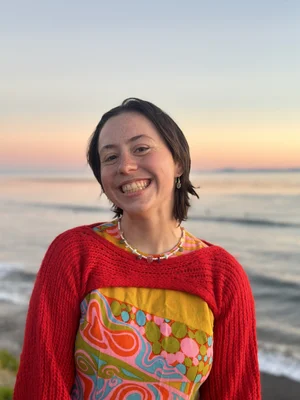
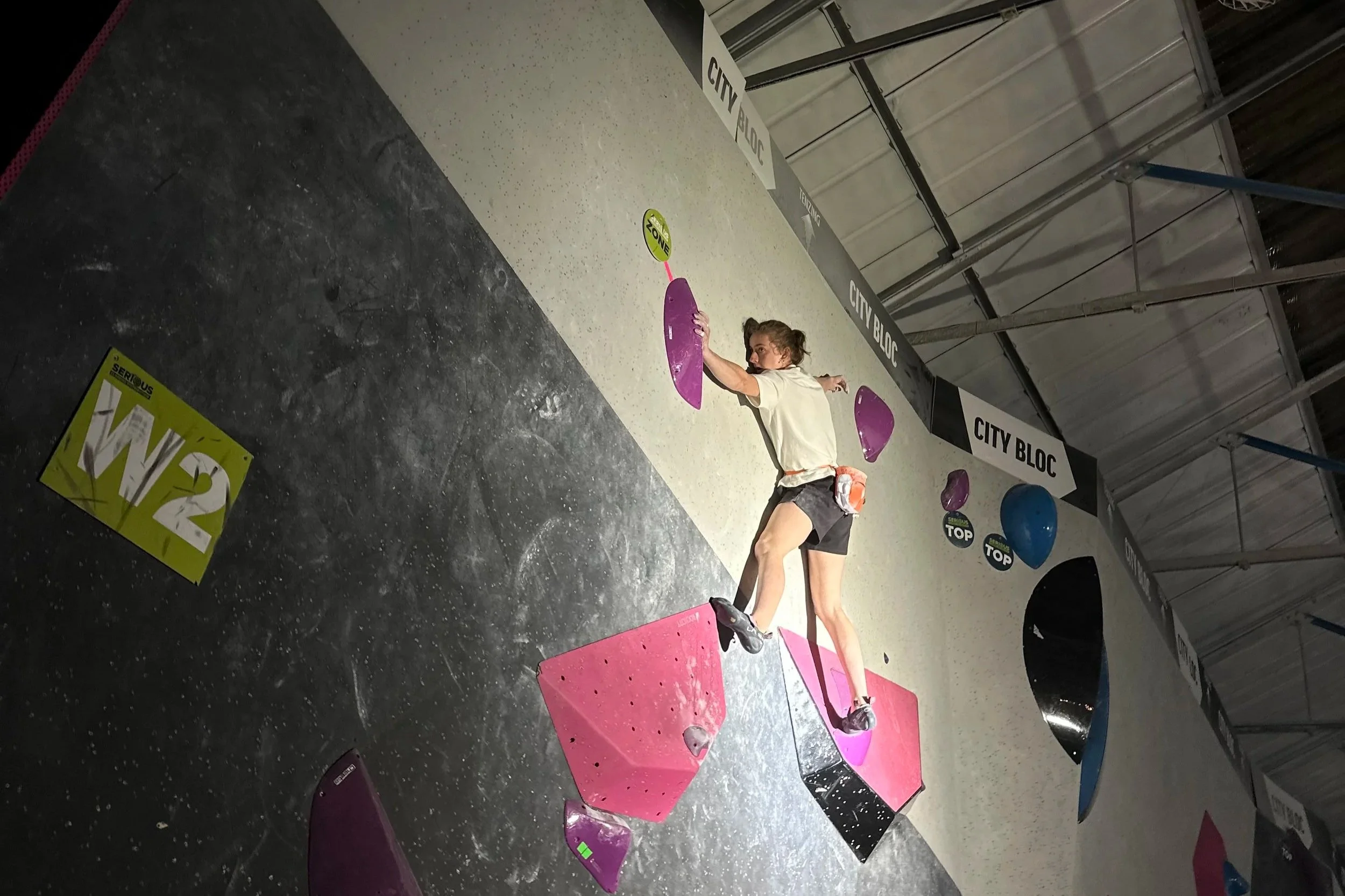
Climbers have an intimate relationship with pain. From the nauseating pump of long routes to fingertips torn open on jagged granite, they choose to suffer for the sport they love and the goals they chase. But there is another kind of pain, one that half of climbers endure, that is far less voluntary. It is a pain British climber Willow Petrobelli knows too well, striking every month: “I’m basically crippled for the three days at the start of my period, and there’s not really much I can do about that,” she says. Yet despite living with this cycle of pain throughout her career, Willow – like many others – has been expected to stay quiet about it and continue to perform at her peak, regardless of where she is in her menstrual cycle.
That damage starts with the sheer scale of the problem. Dysmenorrhoea – painful periods – affects between roughly half to four-fifths of elite sportswomen in some studies, with cramping, back pain, fatigue, and sleep disruption clustered in the days just before and at the start of bleeding. Around a third of AFAB (assigned female at birth) athletes report heavy menstrual bleeding, which not only increases fatigue and iron deficiency risk but also forces them to worry about bleeding through during training or competition. In one survey of elite Commonwealth Games athletes in sports including rock climbing and weightlifting, abdominal cramps, bloating, and mood disturbance were among the most common monthly symptoms (Brown et al., 2021).
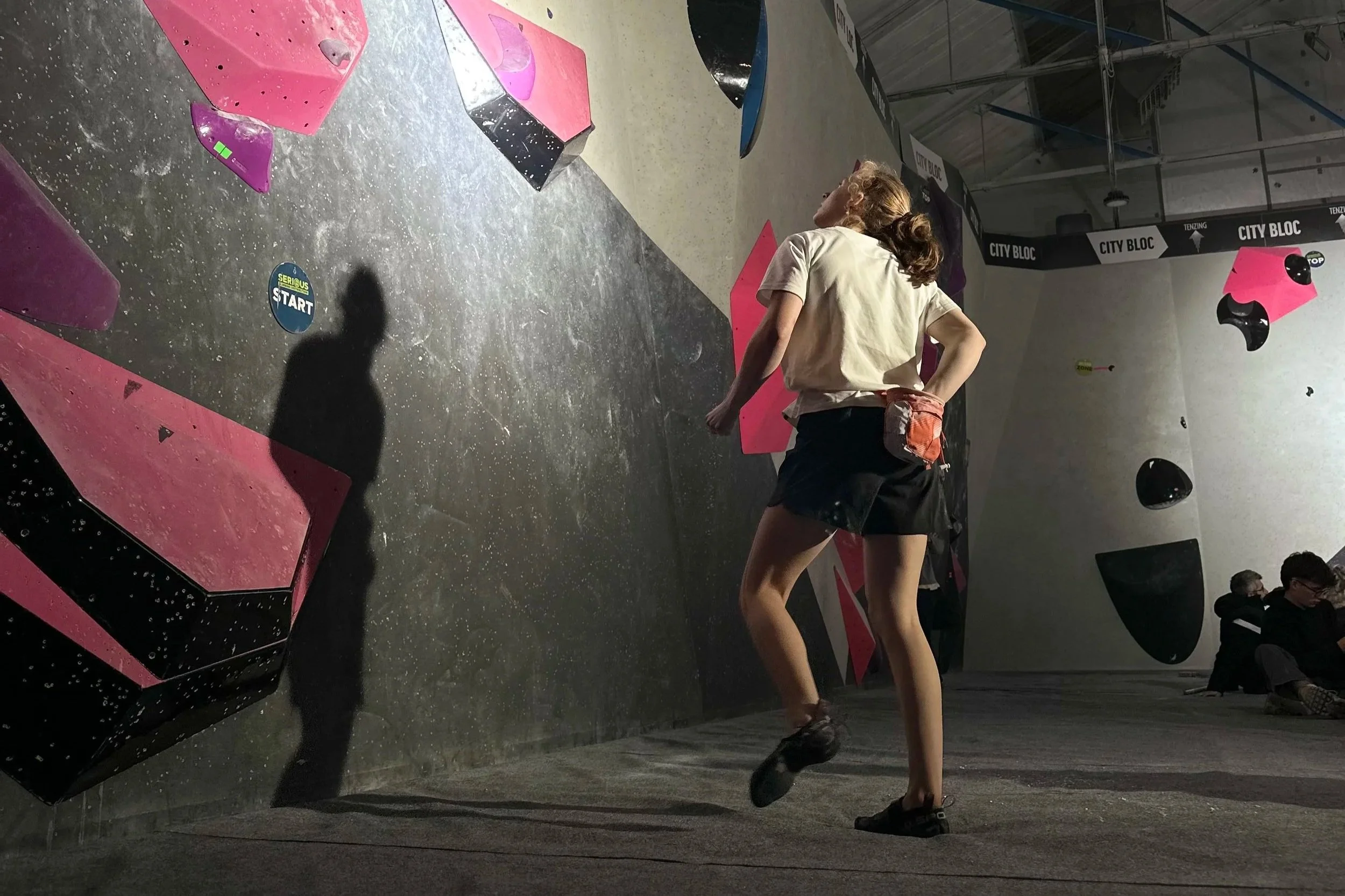
And yet training plans and selection decisions largely ignore the menstrual cycle. Across several high-performance samples, only about 13–22 per cent of athletes report ever altering training because of their cycle, and missing competition because of a period is extremely rare. Coaches and athletes alike tend to treat debilitating menstrual pain as something to ‘push through’, as it is treated as a private inconvenience, and not a legitimate performance factor. For Willow, that pressure is amplified by the unforgiving calendar of climbing competitions and selection events: “If you’re in a comp, you just gotta get through it and try and put it aside in my head.” Sport science has historically treated the male body as standard, and only recently has research begun to seriously address how fluctuating hormones, RED-S (Relative Energy Deficiency in Sport), and menstrual disturbances intersect with performance and long-term health in women (Moller, 2022).
Author Amanda Dykzeul has called menstruation “the last taboo in sport”, showing how women in adventure racing teams hide leaks and pain to avoid reinforcing stereotypes of female frailty (Dykzeul, 2016). Menstruation is framed as something that threatens their claim to equal status on the start line, so it is managed privately, pathologised, or suppressed. That logic is familiar in climbing: a community that fought so hard to prove women can climb “just like men” has been reluctant to admit that women’s bodies are different in ways that require different conversations, not less legitimacy. The fear is that talking about periods will send women back to the sidelines.
Willow says she wishes she had known, as a teenager, that an irregular cycle or crippling cramps were not a normal thing to endure. That knowledge gap is common. Reviews of elite athletes’ menstrual health literacy have found low understanding of how hormonal contraceptives mask natural cycles and how missed periods link to energy deficiency (Moller, 2022). Changing the culture in climbing will require the sport to treat menstrual health as a normal part of an athlete’s health, not as a rare and private inconvenience. For gyms and federations, the first steps are practical and symbolic. I’ve designed menstrual cycle education posters to put in training facilities explaining what healthy cycles look like, where to get help for heavy bleeding or severe pain, and why missed periods matter. This sends a clear message that conversation around menstruation belongs in the rockclimbing. Creating space in athlete medical questionnaires for menstrual histories, and training coaches to ask – and listen – without flinching, would also begin to normalise what is currently whispered about.
As for the rest of us: do you know whether the climbers you train with or watch suffer from debilitating pain every month? Do you know if the teenage girl who suddenly stopped competing lost motivation, or lost her period? If not, it is because a system built around the male body still treats menstrual suffering as background noise rather than urgent data. Willow Petrobelli will keep climbing when she is doubled over with cramps because the sport, as it stands, gives her little choice. The question for climbing is whether it is willing to redesign itself around the realities of the bodies carrying the sport. Ending the last taboo in climbing may start with something as small – and as radical – as an athlete stepping off the mat after a comp and saying, on camera, “I did that on day one of my period, and it hurt like hell.”
Dykzeul, A.J. (2016) The last taboo in sport: menstruation in female adventure racers. MSc thesis. Massey University, Auckland.
Bobel, C. (2010) New blood: third-wave feminism and the politics of menstruation. New Brunswick, NJ: Rutgers University Press.
Moller, M.-A.R. (2022) Riding with the flow: menstrual health in World Cup and World Championship mountain bikers. MSc thesis. Massey University, Wellington.